The groomer told me not to laugh at him. I've failed

CREATE A NEW ACCOUNT
|
Log In
|
By signing up, you agree to our Terms of Use and that you have read our Privacy Statement and Code of Conduct.
|
FeedbacksGet help from the knowledgeable Reddah Community and official Reddah Support!
|
|
Discuss on ADA place for discussing the ads that reddah is currently running.
|
|
Contact UsGet in touch with an Reddah Support technician. We are ready and willing to help you!
|
https://www.microsoft.com/en-us/p/live-status/9nblggh0b2b9?activetab=pivot:reviewstab#
Mobile
55User Rating: 5 out of 5
Submitted on4/20/2014
Yes epic app to have
5 out of 6 people found this helpful.
R
Mobile
55User Rating: 5 out of 5
Submitted on8/9/2014
A great thing for any Xbox player to have. Only wish it had live tile integration.
6 out of 9 people found this helpful.
M
Mobile
45User Rating: 4 out of 5
Submitted on1/7/2016
Excellent,dont have to test or login to see when its back on.. Just press a button and your phone tells you when LIVE is running again.. Thanks! /Micke (GT: SweWis ,on Xb1)
1 out of 1 people found this helpful.
T
Mobile
55User Rating: 5 out of 5
Submitted on10/6/2015
Very good app 😊
1 out of 1 people found this helpful.
N
Mobile
55User Rating: 5 out of 5
Submitted on8/26/2015
Quick and easy
1 out of 1 people found this helpful.
A
Mobile
55User Rating: 5 out of 5
Submitted on8/19/2015
Easy to use and is always reliable
1 out of 1 people found this helpful.
C
Mobile
45User Rating: 4 out of 5
Submitted on8/13/2015
Nice app. I was wondering, however if the date/time shown on the top alert was posted by Dr. Who or of that is supposed to be projected date/time of service being restored. Because it shows a time which is at least six hours in the future for this region and the sub alerts seem to reflect a more likely time of posting. Bear in mind that i do Not get my Xbox live service from the opposite side of the world. I'm only 1 time zone away from Microsoft in Washington state.
1 out of 1 people found this helpful.
U
Mobile
45User Rating: 4 out of 5
Submitted on6/30/2015
Excellent
1 out of 1 people found this helpful.
C
Mobile
45User Rating: 4 out of 5
Submitted on3/19/2015
You are are not helping my life still. 📡com
1 out of 1 people found this helpful.
F
Mobile
45User Rating: 4 out of 5
Submitted on12/20/2014
😲
1 out of 1 people found this helpful.


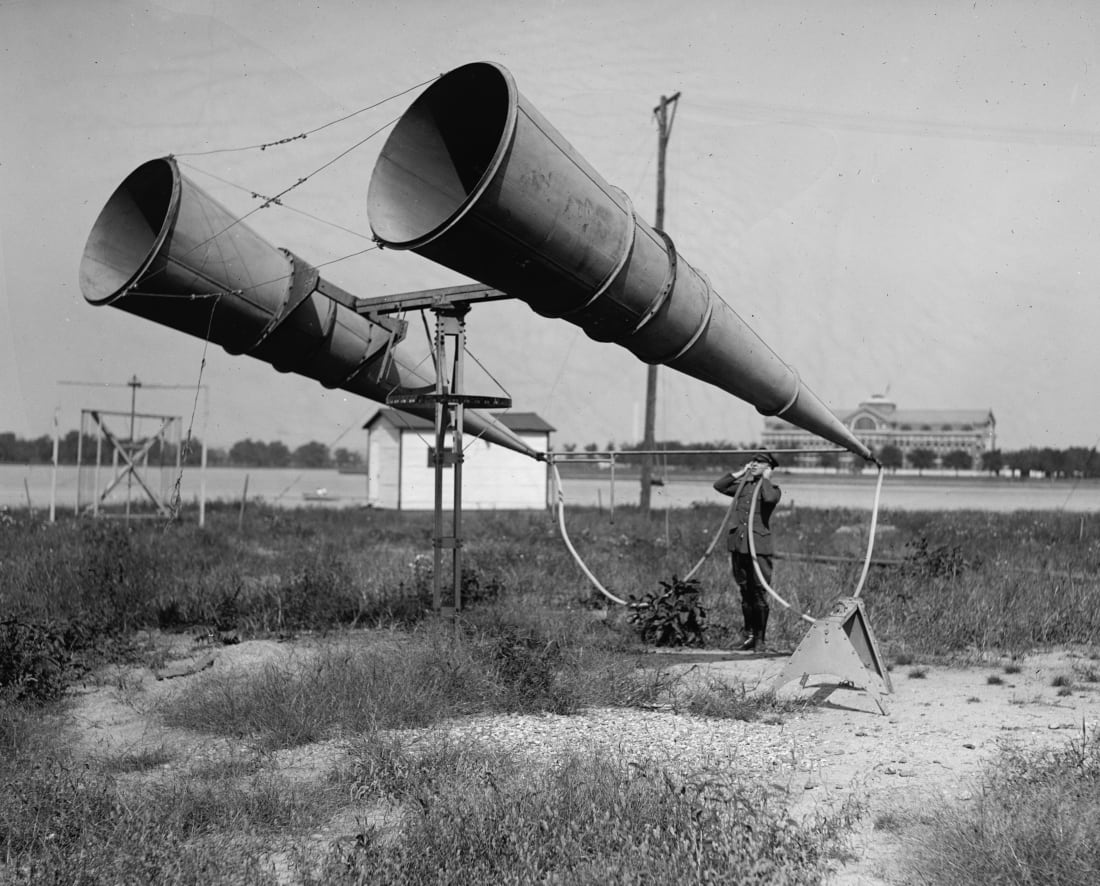
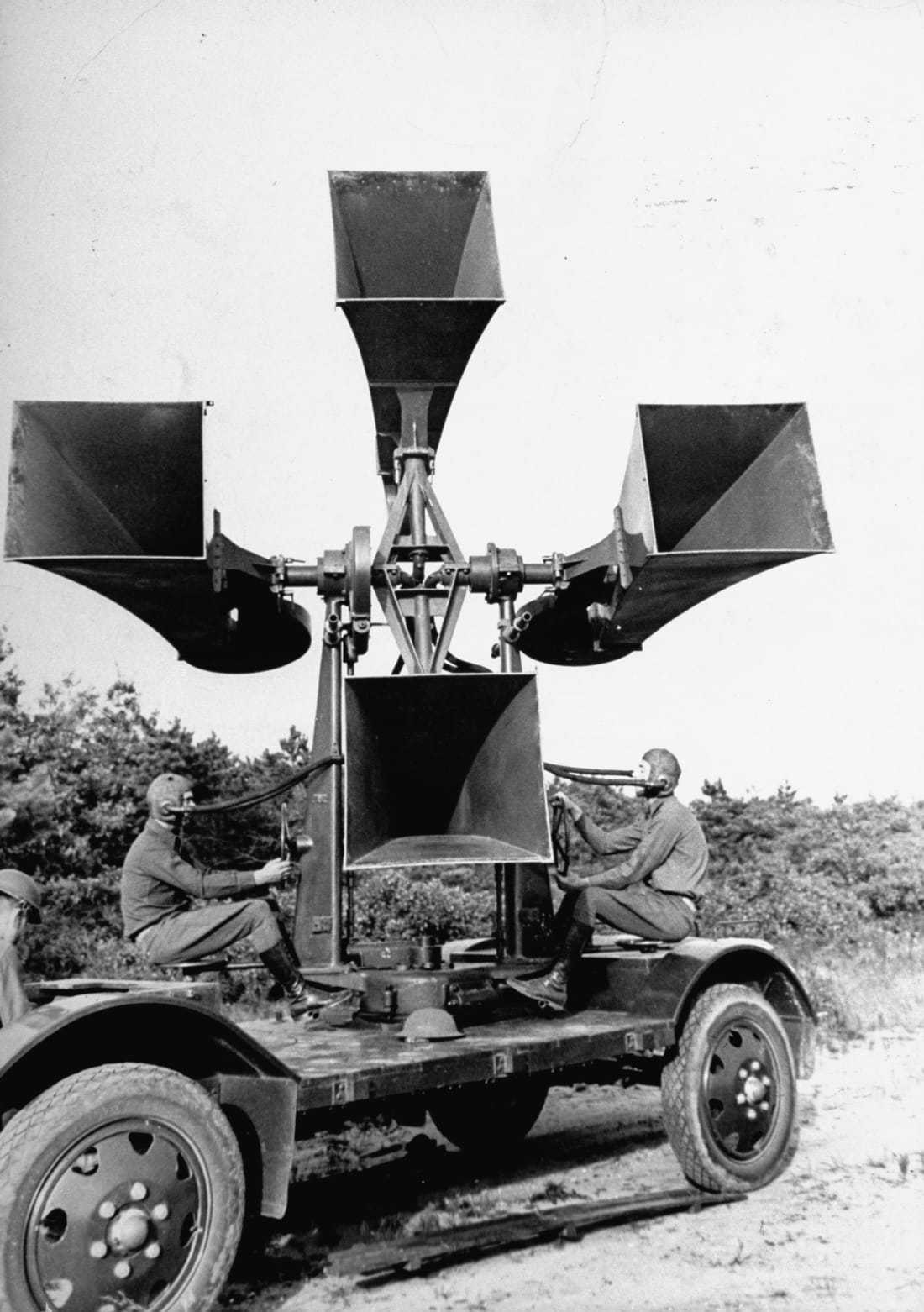
1 / 10 -Before the invention of radar during World War II, incoming enemy aircraft were spotted using "sound locators" that looked more like musical instruments than tools of war. This one was being used at Bolling Air Field, US, in 1921.

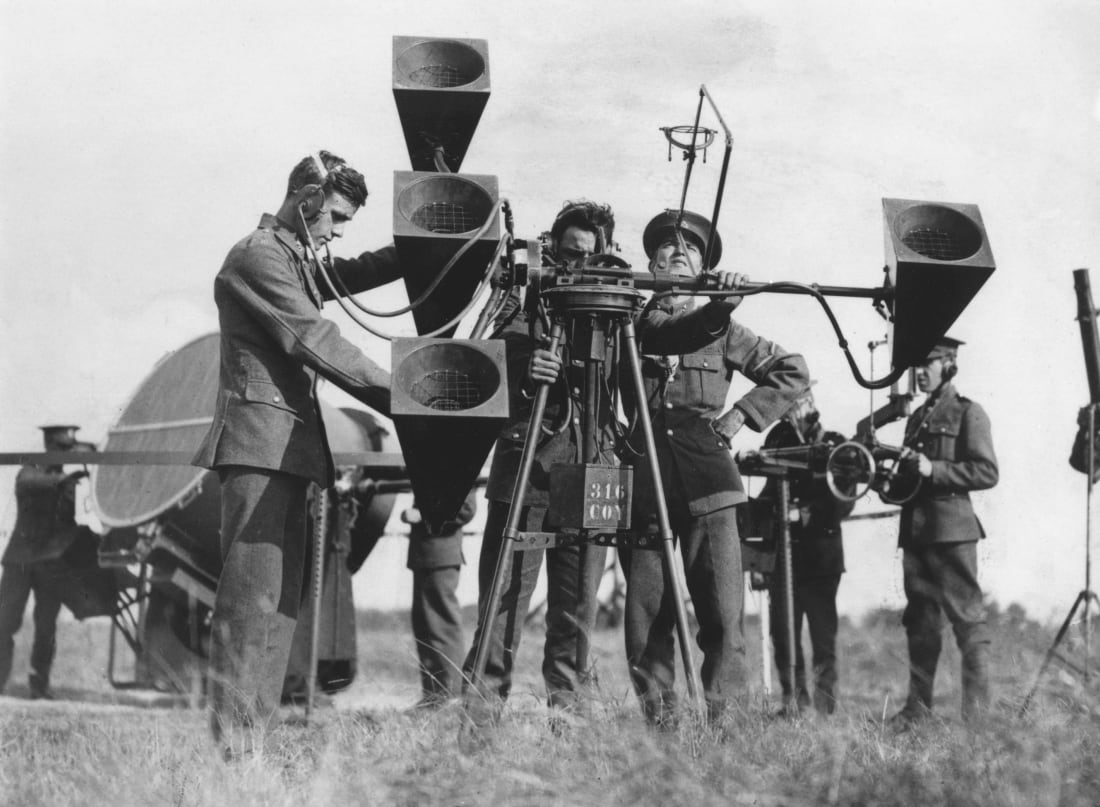
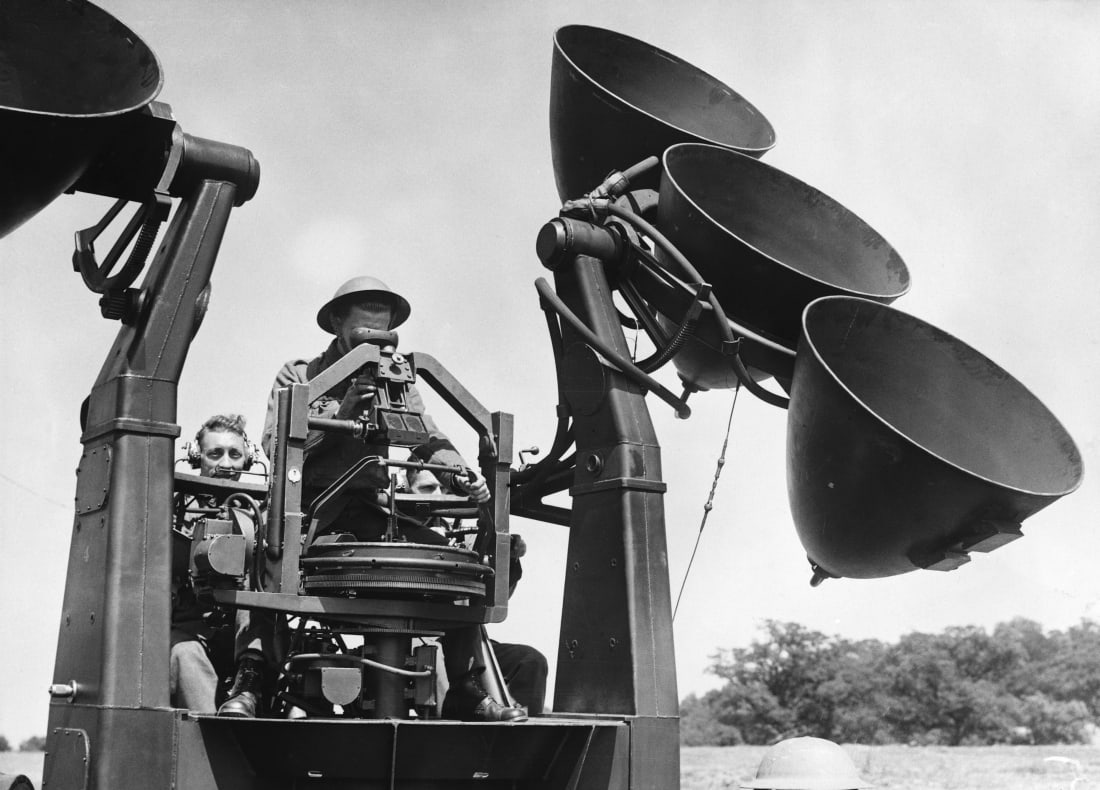
2 / 10 -A British military sound locator in use at an airfield in southern England, in 1930. On the left is a searchlight that was used in conjunction with the locator.

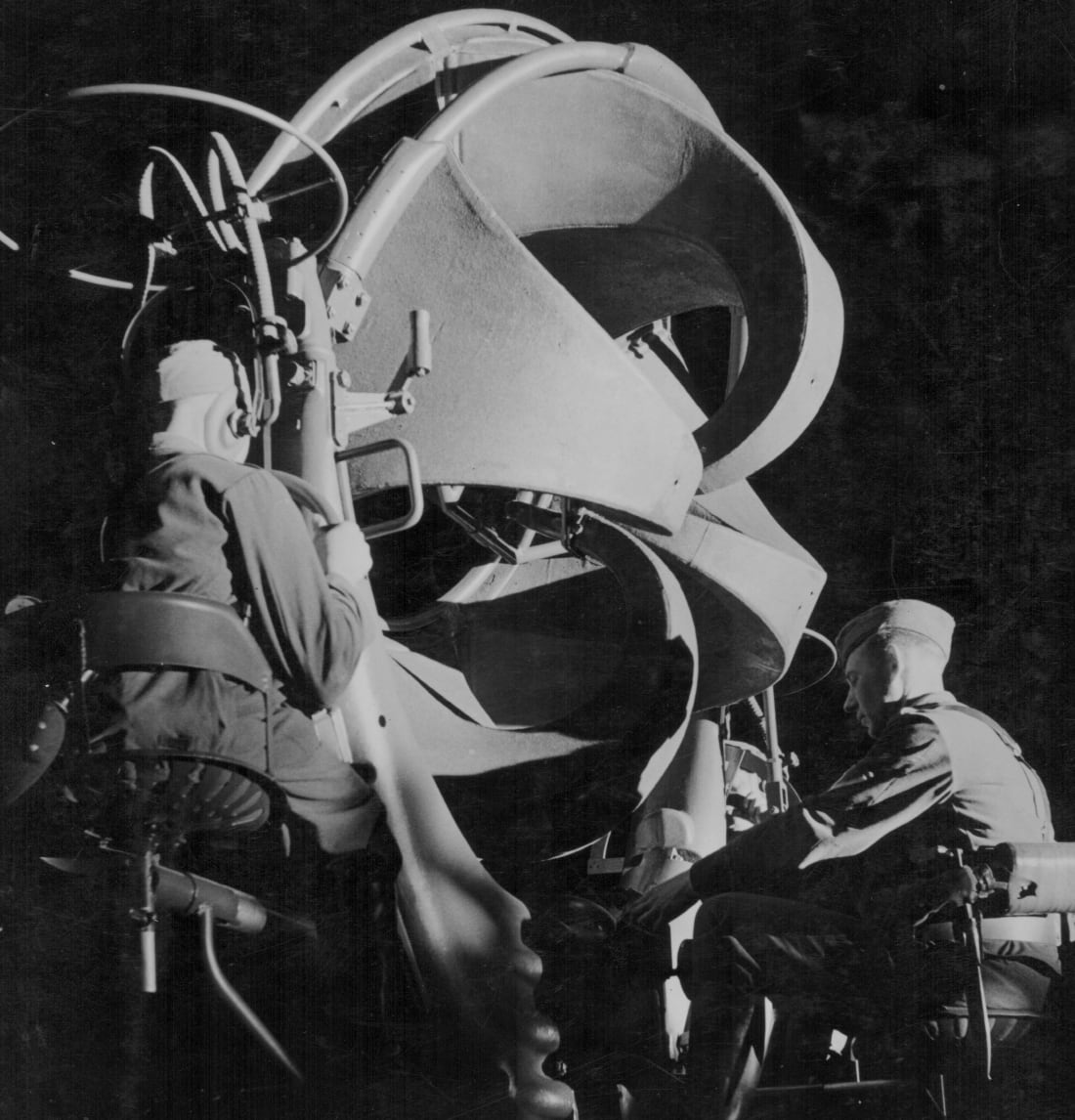
3 / 10 -A German anti-aircraft listening post during World War Two, circa 1939-1945.

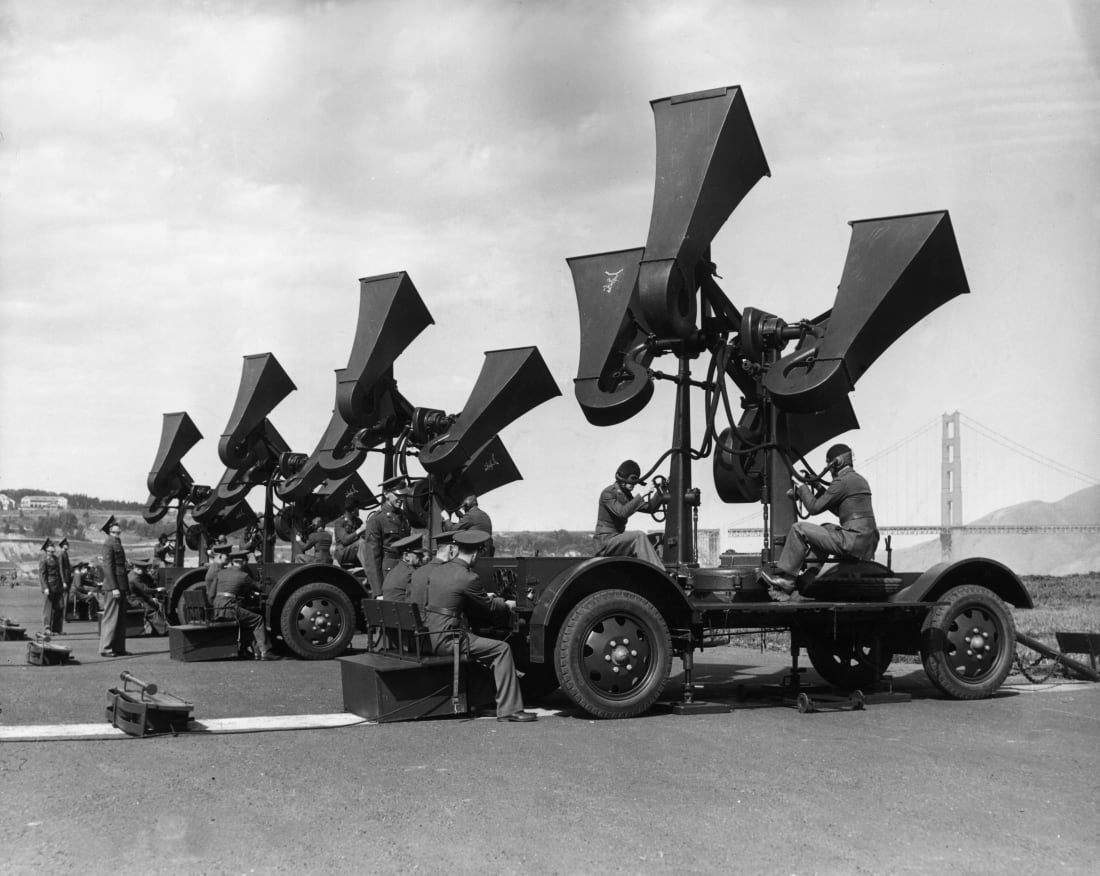
4 / 10 -US military personnel operating airplane sound detectors as officers sit and monitor the readings, near San Francisco, California, circa 1944. The Golden Gate bridge is visible in the background.

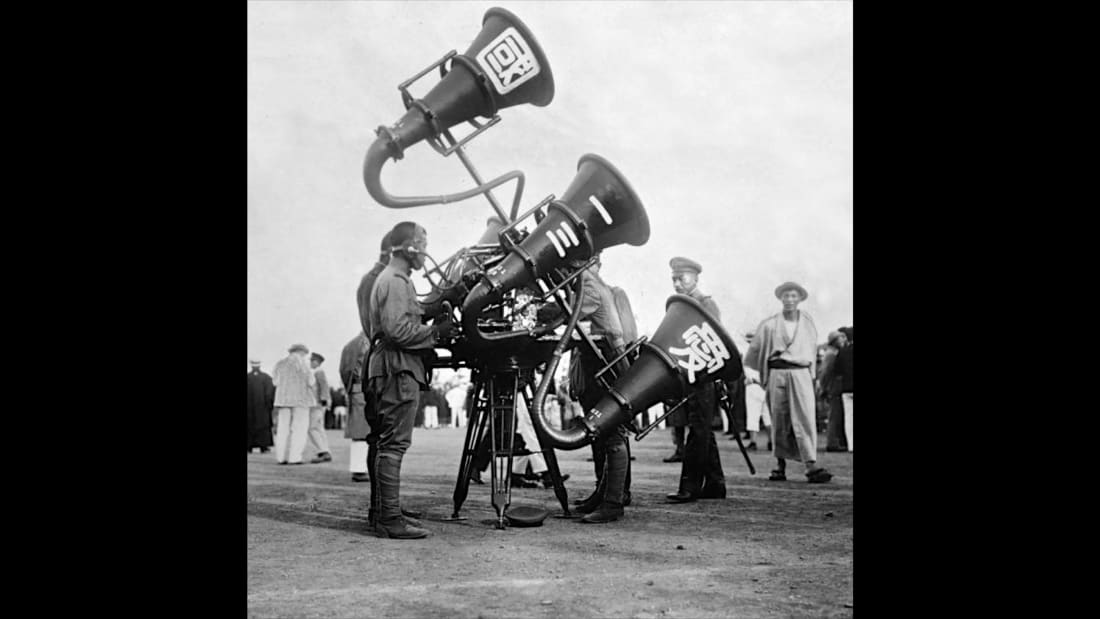
5 / 10 -Japanese soldiers demonstrate the use of a "war tuba."

6 / 10 -According to Phil Judkins, "sound locators worked reasonably well with rain and with cloud, but they tended to get a bit muffled with fog. Then again, in that period of time aircraft themselves tended not to fly in fog."

7 / 10 -After the introduction of radar, some of the trailers used to transport sound locators were repurposed for the new invention.

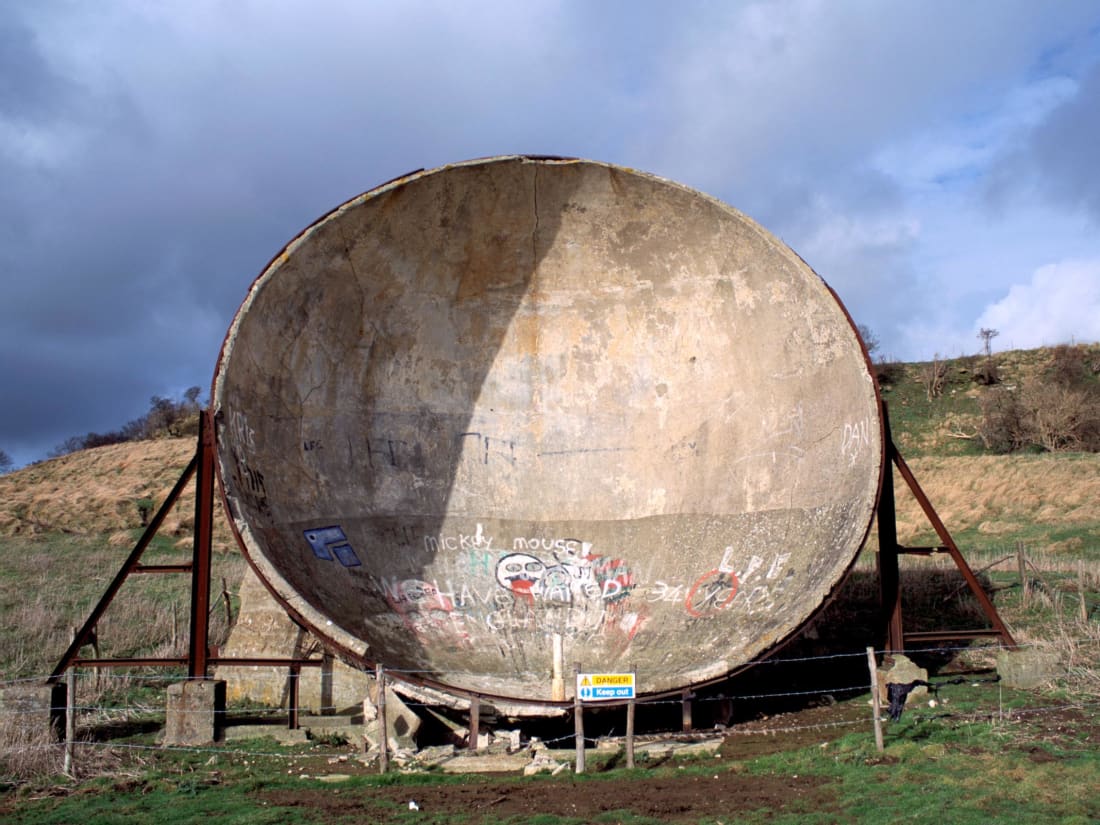
8 / 10 -An acoustic mirror near Hythe, Kent, south-east of England.

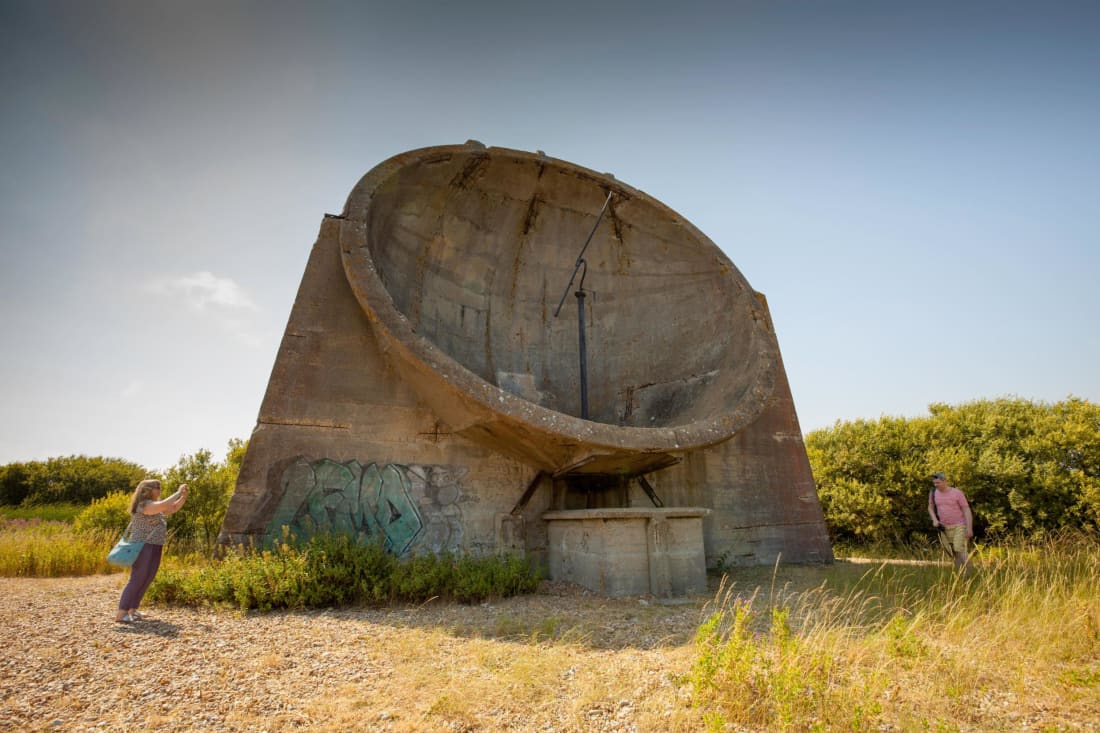
9 / 10 -Denge Sounds Mirrors on RSPB land near Lydd, Kent, south-east of England.

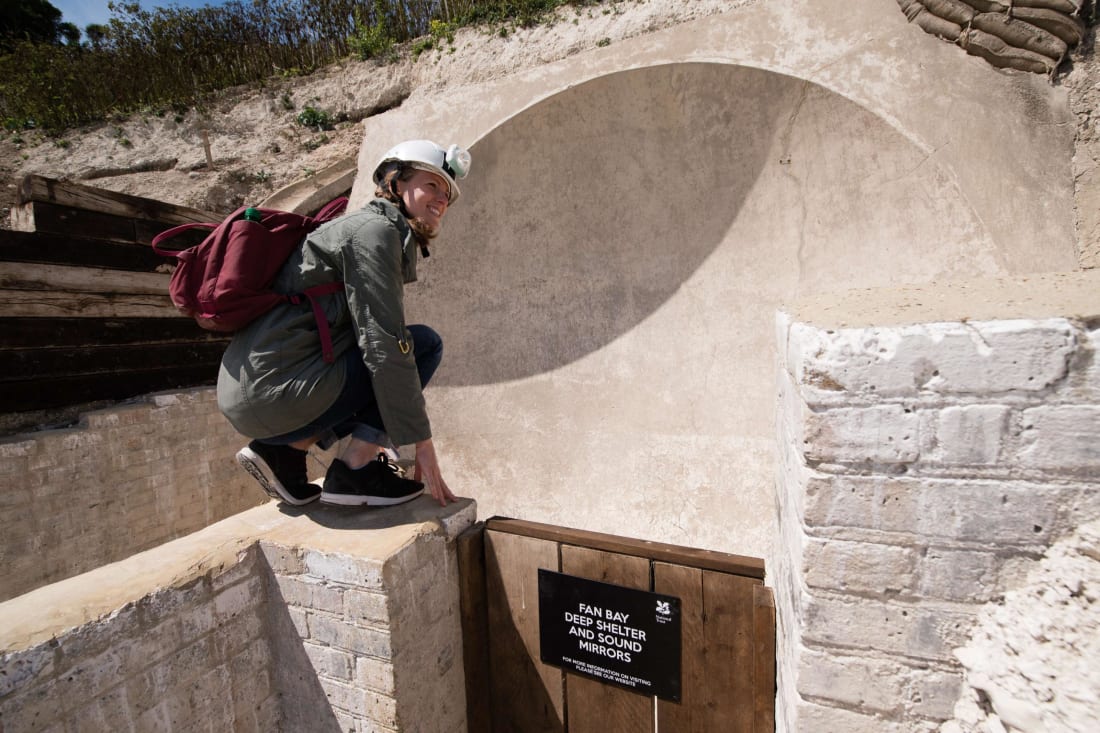
10 / 10 -A woman poses by a First World War "sound mirror" listening device at the Fan Bay Deep Shelter within the cliffs overlooking Dover, England. The National Trust rediscovered the tunnels after purchasing the land in 2012 and after a major restoration project, the tunnels are now open to the public.
Before the invention of radar during World War II, incoming enemy warplanes were detected by listening with the aid of "sound locators" that looked more like musical instruments than tools of war.
These radar forerunners, which earned the nicknames "war tubas" or "sound trumpets," were first used during World War I by France and Britain to spot German Zeppelin airships. The purely mechanical devices were, essentially, large horns connected to a stethoscope.
"It was a development of artillery sound ranging," explained Phil Judkins, a war historian and Visiting Fellow at the University of Leeds, during a phone interview.
"It had been noticed for quite some time that you could locate a gun if two or three or four different people listening to the gunshot each took a bearing." Combining the bearings, or the measurements of direction between two points, would give the location of the gun. That same process was then applied to listening for aircraft.
A common configuration of the device had three horns arranged vertically plus an extra one to the side. The central one in the set of three and the lateral one were used to get the aircraft's bearing, while the remaining two were used to estimate its height. The operators would listen in through the stethoscope and tilt the horns until they got the loudest sound.
"That will then give you the direction, and with a little trigonometry it will give you the height of the aircraft," said Judkins.
Sound locators were used near the frontline in conjunction with anti-aircraft guns, but their range was limited to just a few miles. "The number of times any enemy aircraft was actually shot down using them is very small, or at least the number of recorded occasions that we know about. But the number of times any enemy aircraft was shot down using fighters and so on was pretty small as well," said Junkins.
To get better range, the British also experimented with a static type of sound locator, made of concrete and shaped like a dish or a curved wall, known as an "acoustic mirror." These were first trialled in the southern and eastern coast of England during World War I and then built in about a dozen locations throughout the 1920s and 1930s. They were up to 30 feet (9 meters) in diameter, but a wall-shaped one in Kent, 60 miles south-east of London, spanned 200 feet (61 meters) in length. Many other countries including Germany, Japan and the United States were also developing sound locators at this time.
After 1930, microphones were used to pick up and amplify the noise, and later still, in 1939, the most advanced systems did away with sound completely and transformed the noise into a visual symbol on a cathode ray tube screen -- an innovation that came from the inventor of stereophonic sound, Alan Blumlein.
"They eventually achieved ranges of up to about 20 miles in good conditions. The thing that overtook them, quite obviously, was the increasing speed of aircraft, which in the late 1930s were traveling at between 190 to 240 miles an hour," said Judkins.
CNN reporters on the ground also saw police fire rubber bullets.
Police say several thousand protesters, most of them male and dressed in "gilets jaunes," the yellow high-visibility jackets that have become the symbol of the movement, converged on the Champs-Elysees at about 11 a.m. local time (5 a.m. ET) chanting "Down with Macron" and "Calm down police."
Protesters at the front of the demonstration wore a variety of face masks and balaclavas.

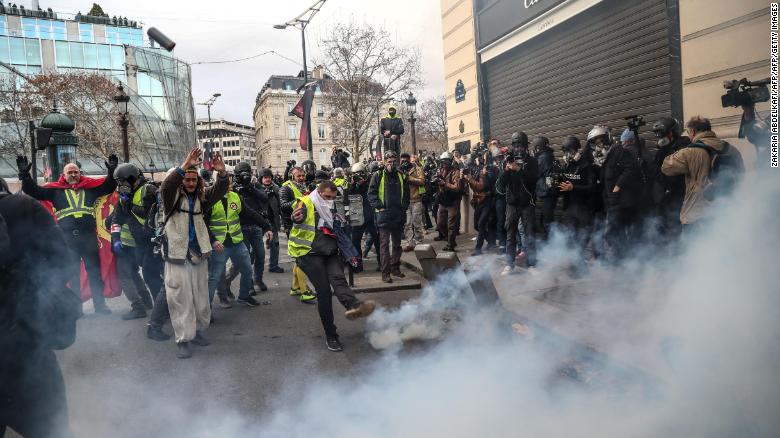
Protesters clash with riot police amid tear gas on the Champs-Elysees in Paris on December 8.
Earlier, TV images showed them parading past the flagship stores of some of Paris's best-known luxury brands such as Mont Blanc and Cartier, all with their shutters tightly fastened on what should be a busy shopping day before Christmas.
Anticipating a repeat of last weekend's violence, monuments including the Eiffel Tower and many of the French capital's metro stations remained closed with about 8,000 police on the streets.
Prime Minister Edouard Philippe told CNN affiliate BMTV that officers had detained for questioning 481 people as of 11 a.m. local time (5 a.m. ET) and made 211 arrests.
"We have to change the Republic," Ilda, a yellow jacket protester from the south of France near Toulouse, told CNN. "People here are starving. Some people earn just 500 euros a month you can't afford to live. People don't want to stop because we want the President to go."
Patrice, a pensioner from Paris, said he was protesting because of "the government and the taxes and all these problems. We have to survive."
Saturday's demonstration is the fourth in a series of protests that last weekend erupted into the worst riots France had witnessed for decades, with anger largely focused on the performance of French President Emmanuel Macron.
With more riots expected in other parts of the country, Philippe said the government was deploying 89,000 security force members across France.
Interior Minister Christophe Castaner vowed Friday to deploy all the means available to ensure the latest protests are not hijacked by what he called "a small minority" who have been "radicalized and fallen into violence and hate."

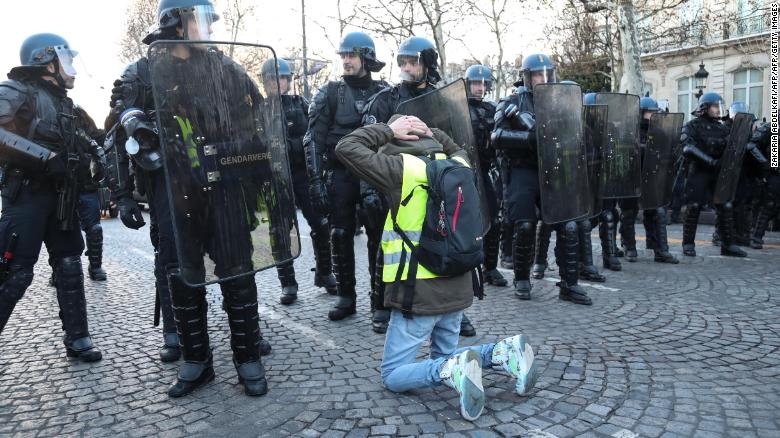
A yellow vest protester kneels in front of police on the Champs-Elysees in Paris on Saturday.
"We have to guarantee the safety of protesters and the right of citizens to move around freely," he told reporters.
The French retail sector has suffered a loss in revenue of about $1.1 billion since the beginning of the yellow vest protests last month, a spokeswoman for the French retail federation, Sophie Amoros, told CNN.
Amid heightened tensions, police seized 28 petrol bombs and three homemade explosive devices Friday at an area blockaded by protesters in Montauban in southern France, a spokesman for the Tarn-et-Garonne prefecture told CNN.

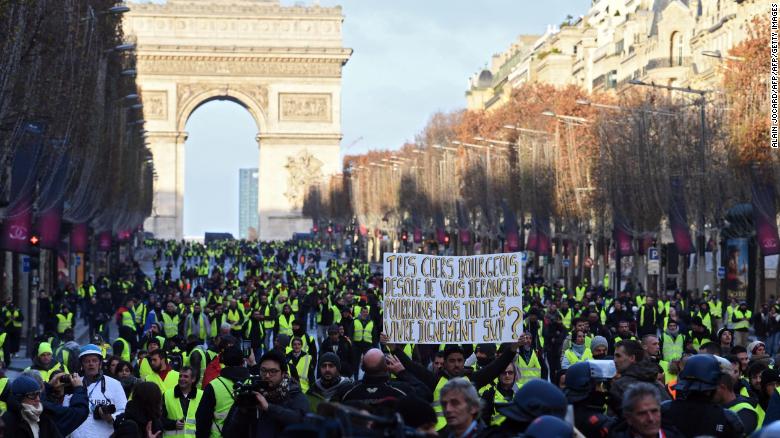
Yellow vest protesters gather near the Arc de Triomphe monument in Paris on Saturday.
On Friday, Paris' public transport operator, RATP, announced on its website that 36 Metro stations would be closed Saturday. It also said 50 bus lines will have limited to no service.
Dominique Moisi, a foreign policy expert at the Paris-based Institut Montaigne and a former Macron campaign adviser, told CNN the French presidency was not only in crisis but that Europe's future also hung in the balance.
"In a few months from now, there will be European elections, and France was supposed to be the carrier of hope and European progress. What happens if it's no longer? If the President is incapacitated to carry that message?" Moisi asked.

German Chancellor and leader of the German Christian Democrats (CDU) Angela Merkel (R) chats with CDU General Secretary Annegret Kramp-Karrenbauer prior to a meeting of the CDU leadership the day after elections in the state of Hesse on October 29, 2018 in Berlin, Germany.
On Friday, delegates from the ruling Christian Democratic Union (CDU) party in Hamburg elected Annegret Kramp-Karrenbauer, known as 'AKK', as the new leader of the party, replacing Chancellor Angela Merkel. The leadership race showcased the divide inside the party between more conservative circles and those who wanted continuity.
AKK, as she is widely called, stands for continuity and she will safeguard the legacy of Angela Merkel, while opposing candidate Friedrich Merz, who garnered 48 percent of the votes, would have been a fresh wind calling for a more conservative profile of the party. Until the end, the outcome was too close to call.
The election of Annegret Kramp-Karrenbauer comes as a big relief to Merkel, who clearly seemed to be pleased by the outcome. She is a close ally of hers and her election might enable her to stay on as chancellor for the remaining time of her term, until 2021, without facing strong infighting from her own party.
Ms. Kramp-Karrenbauer's rise through the rank to the top of Germany's biggest party puts her in pole position to succeed Merkel as chancellor. As she only entered the national political stage in February when she became the CDU's secretary general, she might need the coming years until new elections will come about, to raise her profile. While she rejects being called a "mini-Merkel", she has a very similar sober appearance and non-emotional approach when speaking in public.
Her election will most likely not trigger new elections next year, as the SPD, the Social Democratic Party that is in a coalition government with the CDU and its sister Bavarian party, the Christian Social Union (CSU), will be happy to work together with her.
Friedrich Merz, the "law and order" and more conservative candidate, would have been a bitter pill to swallow for the SPD. But one should not forget when talking about the risk of new elections that the SPD, given their current low ratings, will avoid those at all costs as the outcome might marginalize them even further.
So what's the biggest takeaway from the change on leadership at the CDU? The big political earthquake was prevented with AKK as new party leader and the name of the game is "continuity" and not "a fresh start". Whether this will be the recipe to attract voters back from the populist, far-right Alternative for Germany party (the AfD) is not clear, as AKK will not move the party to a more conservative corner.
The European Court of Justice sided with the advice of its top legal officer, who declared last week that the UK has the power to withdraw its notification to leave the EU under Article 50 of the Lisbon Treaty without the agreement of other member states.
This is a breaking story, more details soon...
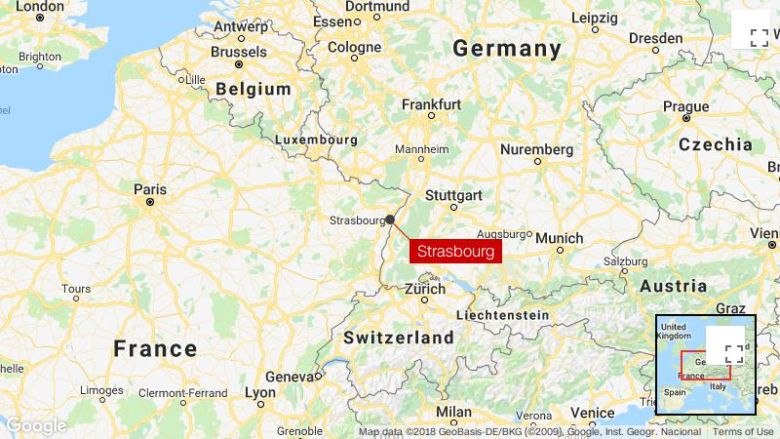
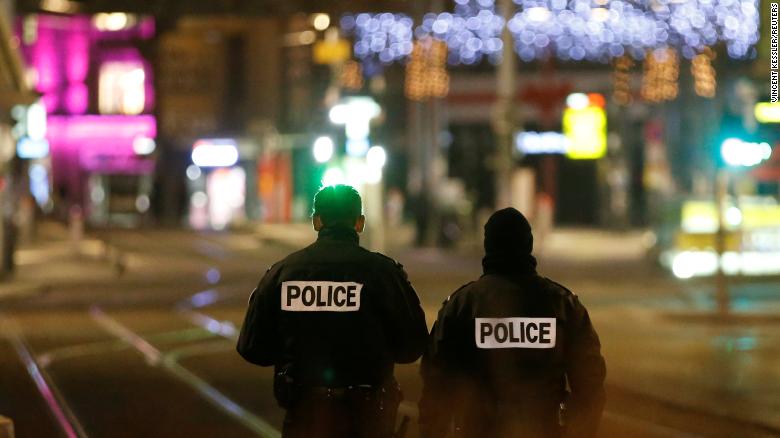
Police said they have identified the shooter, who remains at large. The shooting took place in the northeastern city around 8 p.m. on the Rue des Orfevres, police said on Twitter.
Here are the latest developments:

French President Emmanuel Macron is monitoring the situation and has asked the interior minister to go to the scene, an Elysee Palace spokeswoman said.
The spokeswoman said: "The President of the republic is being informed in real time of the situation in Strasbourg. He decided accordingly to shorten his current meeting and asked the minister of the interior to go there. He continues to be kept informed of developments."

Those who were injured have been taken to a Strasbourg hospital.
The Interior Ministry said in a tweet that there was an "incident" in Strasbourg and urged the public to stay indoors.
Strasbourg Mayor Roland Ries tweeted that the incident was a "serious event" and that his thoughts go out to the victims.

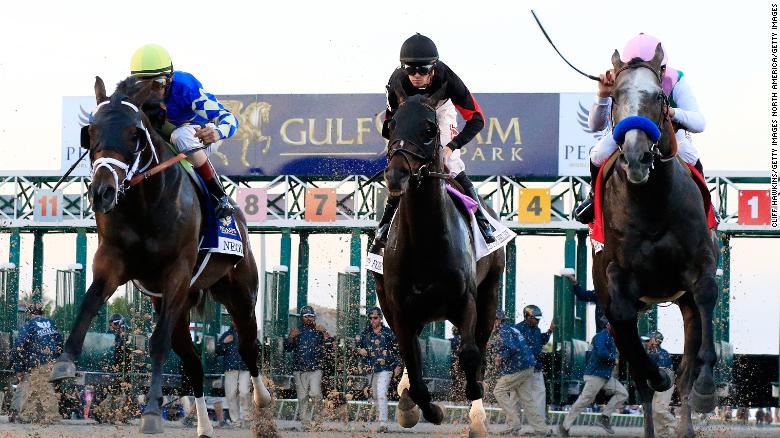
Introduced in 2017 as the richest race on the planet , the Pegasus World Cup is the epitome of American lavishness. The nine-furlong (1? miles ) race is run over a dirt track at Gulfstream Park, Florida and is intended as a showdown for experienced racers of four years old or above.
For its second running in 2018, the prize pot was boost by $4 million to $16 million with an entry fee for each of the 12 slots of $1 million. The organizer added the rest.
The winner, Gun Runner, collected an astonishing $7 million in 2018.
However, for 2019 the prize pot will be split across two Grade 1 races -- the Pegasus World Cup Invitational and the new Pegasus World Cup Turf Invitational over 1 3/16 miles.
The revamped Pegasus World Cup Invitational will command a prize fund of $9 million with $4 million going to the winner, while the turf race will offer a pot of $7 million with the winner bagging $3 million.
Entry to each race costs $500,000 with an owner scooping a bonus $1 million if they win both events.

In 2018, the Pegasus World Cup boasted the highest prize money in the world with bumper prize money of $16 million.
Simply put, the sport of kings can yield a king's ransom.
Here is a look at some of the richest events on the horse racing calendar.

Due to the new format of the Pegasus World Cup, the Dubai World Cup can now regain its position as the richest horse race in the world.
Held at the Meydan Racecourse, United Arab Emirates (UAE), the Grade 1 race has been run every year since 1996, marking the end of the UAE racing season.
The prize fund has been boosted to $12M and the winner of the 2019 edition will take home an eye-watering $7.2 million.
Godolphin, the racing stable of Dubai ruler Sheikh Mohammed bin Rashid Al Maktoum, has particularly enjoyed the event. It celebrated its record seventh victory in 2018 as Thunder Snow, trained by Saeed bin Suroor, set a new dirt-track record.
Run over mile-and-a-quarter (10 furlongs), the race invites four-year-olds or above from the Northern Hemisphere and three-year-olds or above from the Southern Hemisphere.

1. You're always sore.
Sure, a bit of muscle soreness (hello, DOMS) after a particularly strenuous workout is totally normal, especially if you're newer to exercise or you're switching up your routine. But if you're exercising regularly, you shouldn't constantly be feeling sore, says Tamir. Depending on the muscle group, you should always give your muscles 24 to 48 hours to recover between training sessions, and if you still feel sore, it's possible you're overtraining. According to Rice University, "Overtraining can best be defined as the state where the athlete has been repeatedly stressed by training to the point where rest is no longer adequate to allow for recovery." Persistent muscle soreness, getting sick more often, or frequent injuries are all physical symptoms of overtraining. Fortunately, recovery is simple — just take it easy for a few days!
2. You're constantly tired or moody.
Moodiness, depression and fatigue are also indications that you might be overtraining. Most of us have heard that exercise is supposed to make us happier, thanks to a rush of endorphins — a stress-fighting chemical — in the brain. (Fun fact: Endorphins also help prevent you from noticing the pain of exercising. Thanks, brain!) However, those endorphins are also accompanied by cortisol, a stress hormone. And when cortisol levels remain high for an extended period, they take a toll on mental health.
3. Your heart rate is abnormal.
One of the best ways to gauge if you've been overtraining is to check your heart rate, Tamir says. "I'll take my resting heart rate in the morning. If I'm above my normal, then I know that my body is not really ready for a hard workout that day. That's one of the best ways to judge your readiness to exercise." Rice University notes that a lower-than-normal heart rate can indicate overtraining, too. Ready to experiment with this method? Try taking your resting heart rate daily to figure out what's normal for you.
4. You're stiff all the time.
If a few too many days of pounding the pavement leaves you unable to bend over and pick up a penny off the sidewalk without creaking knees, it might be time to take it easy for a while. "If your body doesn't have the proper mobility, you're going to create dysfunction in your movement pattern," Tamir says. In other words, doing the same activity over and over (running, cycling, lifting) without proper recovery is going to cause injury. Tamir recommends stretching and foam rolling on your recovery days to keep your body limber and prevent injury.
5. Your pee is dark yellow.
Yep, we had to go there. While most people are more aware of the need to stay hydrated while exercising, says Tamir, many of us start to exercise when we're already dehydrated. Urine is one easy indication that we're too dehydrated to start working out. Common culprits include having a few drinks the night before exercising or getting up in the a.m. and drinking nothing but coffee. Think you can rehydrate while working out? Afraid not. It takes at least 45 minutes for the body to recover from even mild dehydration.
The best thing about noticing these symptoms? It's a whole lot easier to relax, stretch and drink H2O than it is to recover from an injury or serious overtraining. A little R&R is just what your body ordered!

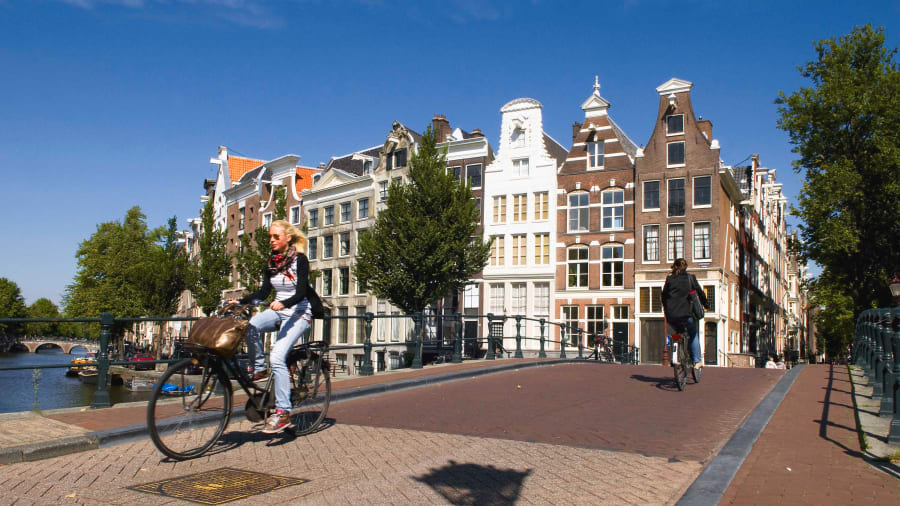
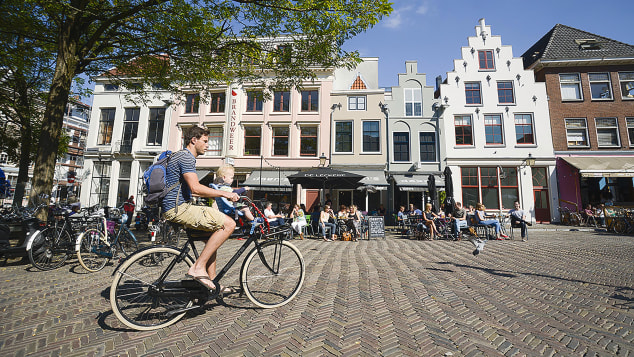
The Dutch government recently announced that it will invest $390 million (€345 million) in cycling infrastructure to get 200,000 more people commuting by bike in three years' time.
Fifteen routes will be developed into "cyclist freeways" (highways that cater to those on bikes), 25,000 bike parking spaces will be created and more than 60 bike storage facilities will be upgraded, according to the Ministry of Infrastructure and Water Management.
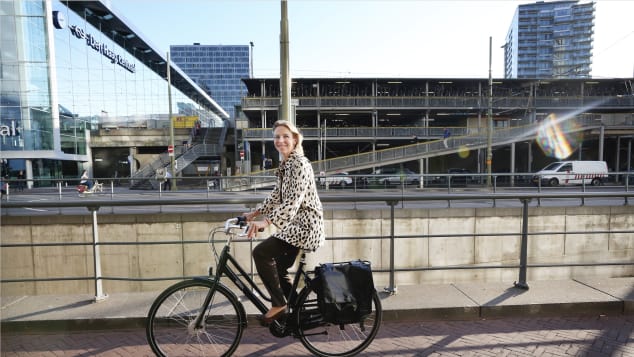
"My ambition is to ensure that people can easily get to work or school, or visit family and friends," says Stientje van Veldhoven, state secretary for that department, who is spearheading the project.

It's not that people aren't already cycling in the Netherlands. In 2016, over a quarter of all trips made by Dutch residents were by bike, according to the Netherlands Institute for Transport Policy Analysis.
But only 25% of those trips were work-related, compared to 37% which were made for leisure. The rest were for school, shopping, or other activities.
According to van Veldhoven, more than 50% of people in the Netherlands live less than 15 kilometers from work, and more than half of commuters' car trips are under 7.5 kilometers long -- a distance that "can easily be covered by bike," she says.

To get people to ditch their cars, money is being laid on the table.
The Netherlands currently rewards commuting cyclists with tax credits of $0.22 (€0.19) per kilometer. Companies and employees would agree on the distance of a person's cycling route.
However, this is currently a little-known benefit not supported by many employers, according to the infrastructure ministry. That's something the government is hoping to change by better promoting the scheme and getting more companies on board.
There are already 11 major employers in the Netherlands committing to measures such as financing employees' bikes. The government is urging employers to provide better facilities for commuting cyclists, such as showers at the office, according to the ministry.
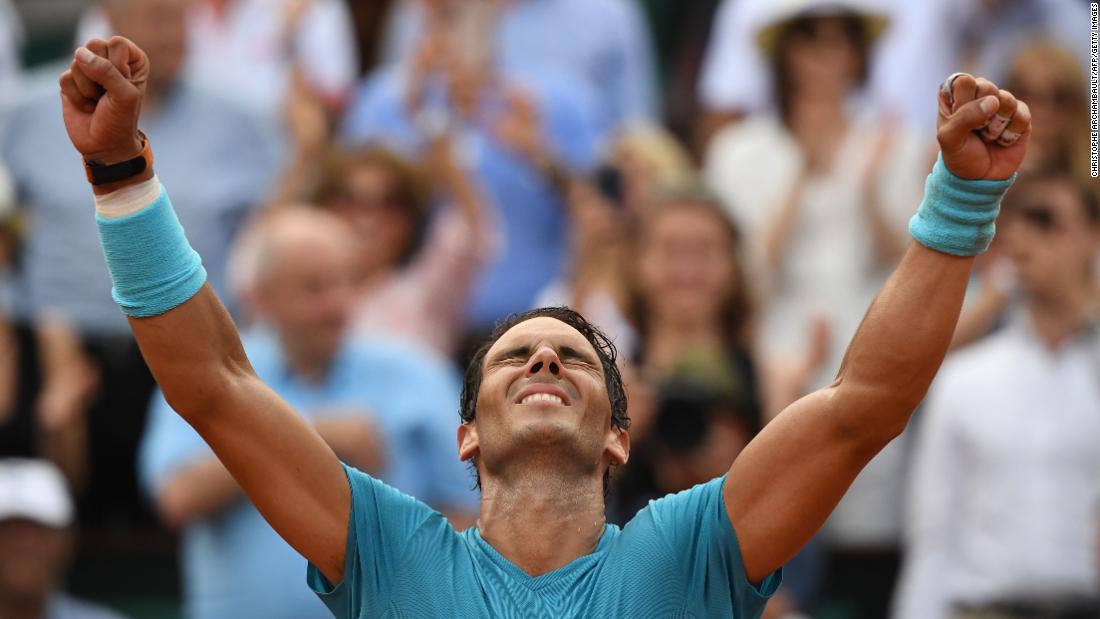
Rafael Nadal, the "King of Clay" with 17 grand slam titles to his name, is in a good mood as he drains a can of Coke while talking about his comeback from injury and surgery following an intense two-and-a-half practice session in the morning.
But when asked about the flash floods that struck Mallorca in October, killing 13 people, the former world No. 1 goes quiet.
"It was terrible," Nadal told CNN Sport in an exclusive interview at his academy. "Scary, and very sad."
Most of the deaths occured in the town of Sant Llorenç des Cardassar, near Manacor, after 20 centimeters (8 inches) of rain fell in just four hours.

Eyewitnesses described fleeing for their lives as beachfront homes were swept away in the churning sea.
The band's bass player and manager were killed, lead singer Riefian Fajarsyah said in a tearful video posted on Instagram. Three other members of Seventeen and Fajarsyah's wife -- whose birthday is Sunday -- are still missing, he said.
According to Sutopo Purwo Nugroho, head of public relations at Indonesia's National Disaster Mitigation Agency, 843 people were injured and another 28 are unaccounted for.
At least 558 houses were destroyed, while nine hotels, 60 restaurants and 350 boats were heavily damaged, an indication of the tsunami's impact on residential and tourist areas.
As of midday Sunday, no foreigners had been reported killed or injured.

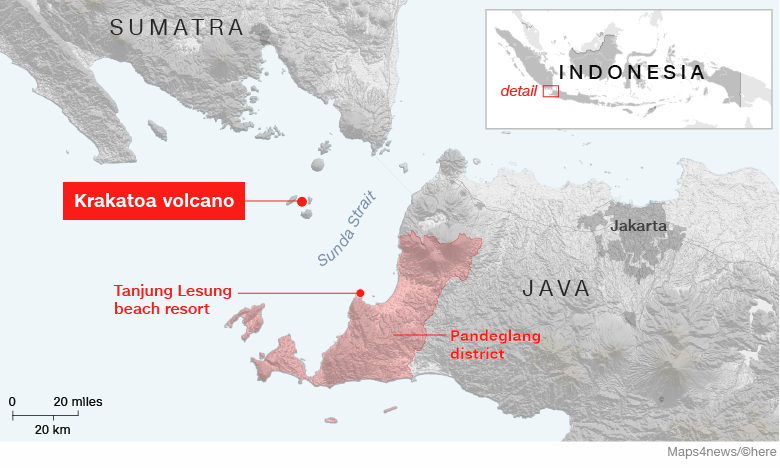
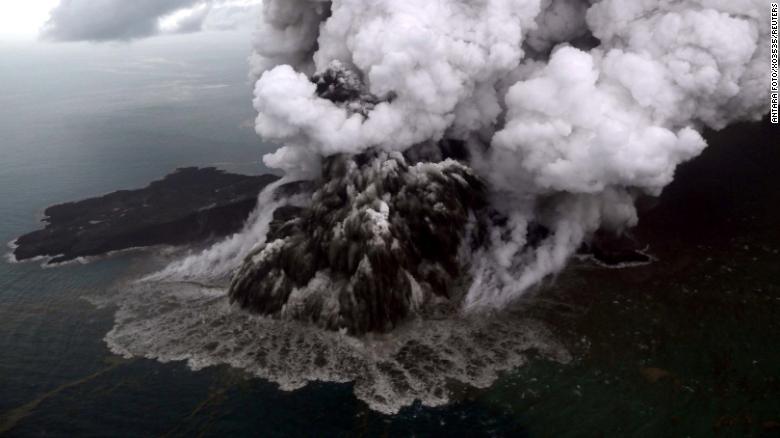
The tsunami is believed to have been triggered when the Krakatoa volcano erupted in the Sunda Strait between the islands of Java and Sumatra, prompting a series of underwater landslides, according to Indonesia's Meteorology, Climatology and Geological Agency (BMKG).
When the displaced rock shifted beneath the water's surface, it "pushed up" the water on top of it, CNN Meteorologist Allison Chinchar said, and generated the tsunami.
Krakatoa sits between the islands of Java and Sumatra.
The tsunami's impacts were compounded by a tidal wave caused by the full moon, BMKG said in a news release.
Krakatoa is known for its 1883 eruption -- one of the deadliest in recorded history -- that killed more than 36,000 people.
Despite the devastating 2004 Boxing Day tsunami that killed hundreds of thousands of people, Indonesia lacks proper equipment to warn of an incoming tsunami threat.

"We need a multi-hazard early warning system," said Nugroho. "And we need lots of it."
Nugroho pointed out tsunamis are faster and less predictable than tidal waves, which are caused by atmospheric conditions.
"We used to know that a tsunami happens after an earthquake. There was no quake last night," he said, referring to the sub-aquatic landslides. "That is why there was no warning."


1. Singapore Airlines
2. Air New Zealand
3. Qantas
4. Qatar Airways
5. Virgin Australia
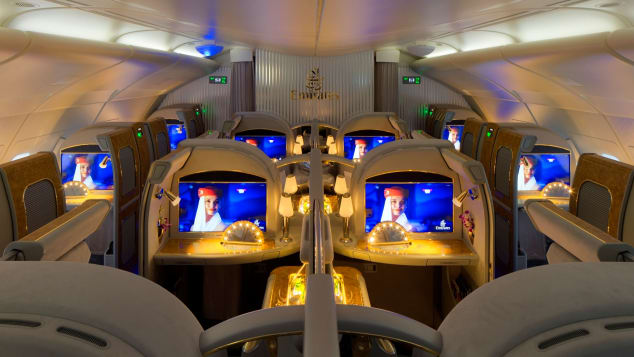
6. Emirates
7. All Nippon Airways
8. EVA Air
9. Cathay Pacific Airways
10. Japan Airlines
Japan's top companies are losing patience with the United Kingdom as Brexit fast approaches.
Honda (HMC) became the latest to reduce its exposure to the British economy, announcing Tuesday that it will shutter its only manufacturing plant in the country by 2021, a move that is expected to result in the loss of at least 3,500 jobs.
The company denied any link with Brexit but auto industry experts said the uncertainty over future market access and the risk of tariffs must have played a part.
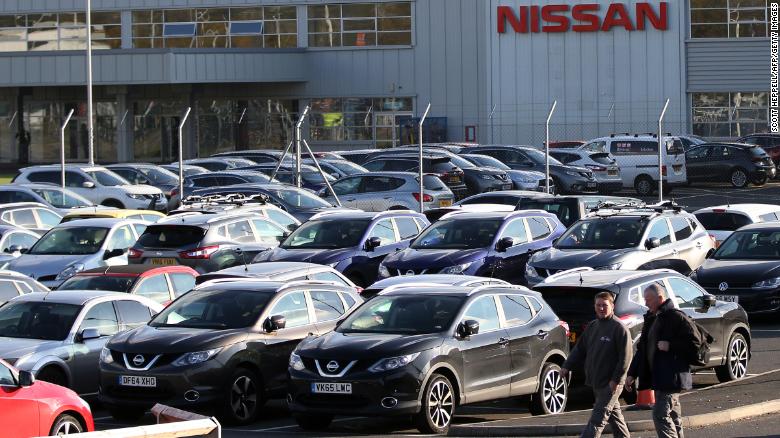
Honda's bombshell follows the decision by rival automaker Nissan (NSANF) to scrap plans to build a new SUV model in northern England. Electronics firms Sony (SNE) and Panasonic (PCRFF) have both said they will move their European legal bases out of the country because of Brexit.
Japanese executives are fed up after warning for years of the risks inherent in a rupture with Europe.
"Within Japan, every professional person I speak to is bemused by Brexit," said Paul Bacon, a professor at Tokyo's Waseda University who specializes in Japan's relations with Europe. "It is obvious here how economically damaging it will be, and also that it creates serious difficulties for Japanese industry."
Nissan is scrapping plans to build a new SUV model in northern England, citing Brexit as a major factor.

Japan Inc has poured billions into the UK economy. More than 1,000 Japanese companies do business in the country, supporting more than 140,000 jobs, according to the most recent Japanese government figures.
Many of them used the United Kingdom as a launchpad into Europe. But if the country exits the EU's unified market, "it makes no sense for Japanese industries to base themselves in the UK," Bacon said.